Mutual Aid in Action During Disasters
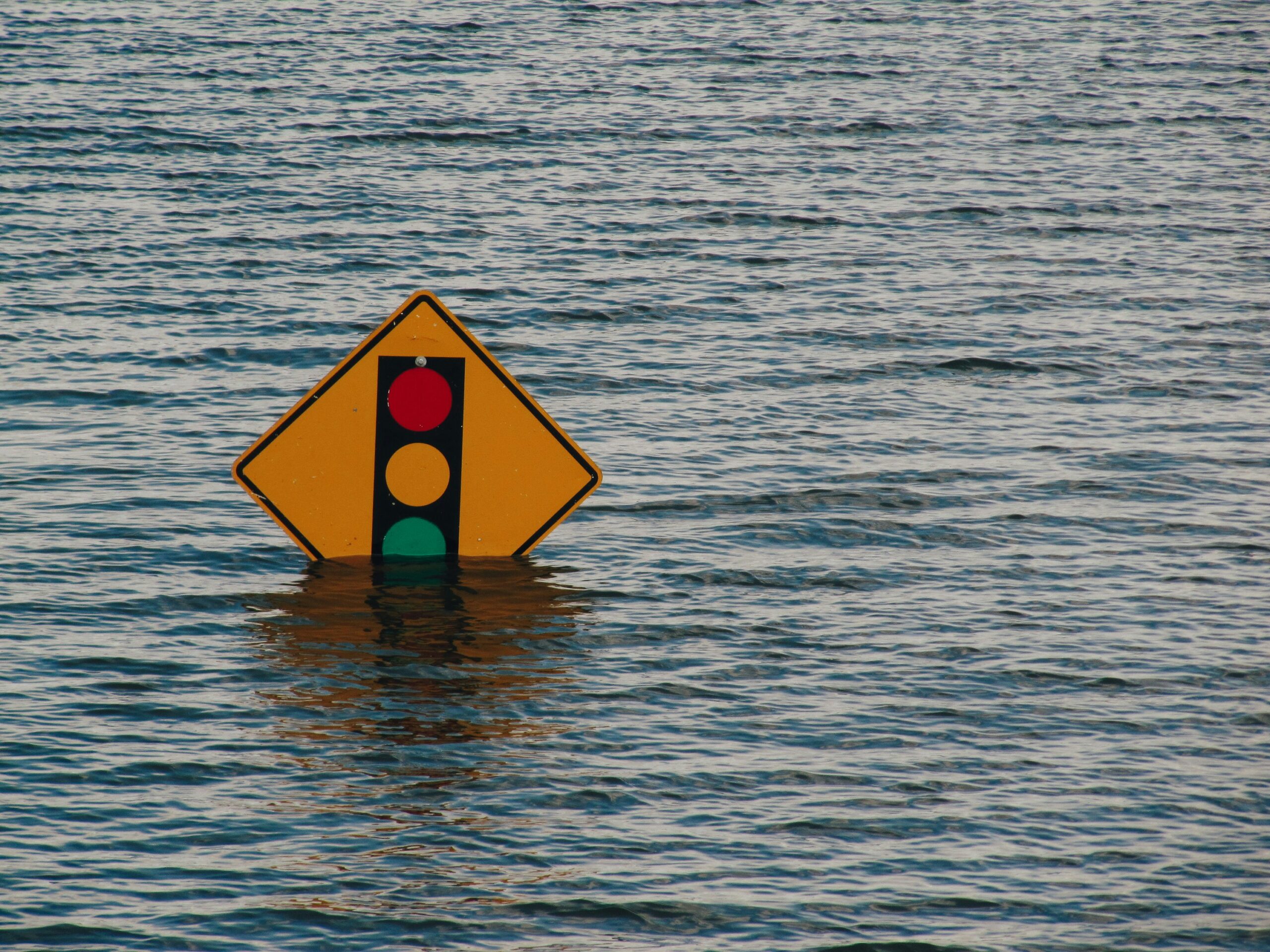
Over the past few weeks, Hurricanes Helene and Milton have battered Florida, North and South Carolina, Tennessee, Georgia, and Virginia. The death toll is currently around 230, with hundreds more still missing and thousands displaced. Unfortunately, storms like these will become more and more common as climate change continues to intensify the severity of normal weather systems.
While the government has deployed FEMA resources to help, they don’t always arrive quickly enough and are not always adequate. This recent Guardian article shows how mutual aid networks have been essential in filling the gaps left by both the federal and state governments. They have gathered and distributed food and other essentials, assisted with home repairs, and raised money for displaced people to get hotel rooms, among many other services.
In fact, if you are considering donating to help hurricane victims (or any other people in need of assistance), mutual aid or direct giving is usually the best way to ensure that the people who need it are getting it quickly. Large charitable organizations move slowly and also have a lot of overhead costs, so much of your donation may not even go to those who need it most. Here is a short list of mutual aid organizations to donate to for hurricane response:
- Mutual Aid Disaster Relief
- Footprint Project
- Feeding Southwest Virginia
- Organized Uplifting Resources & Strategies
- East Tennessee Foundation
- The Community Foundation of Western North Carolina
How can you start organizing your own community or neighborhood to prepare for when disaster strikes?
- Start Small: The first step in building community is making sure neighbors know each other and build real relationships. Organize regular fun community events like block parties, potlucks, and holiday celebrations. Put flyers around your community, knock on doors, and use local social networks (like community Facebook groups) to promote your events.
- Build Contact Lists: Gather emails and phone numbers at the events so folks can get in touch when they need something. This also becomes an easier way to communicate future events for community building.
- Take Inventory: Once you have built up a neighborhood network, consider starting a tool share list. Who has a generator? A snowblower? A pickup truck?
- Make a Plan: Come together as a community to build a disaster response plan. Think about a choosing centralized meeting place, creating an evacuation plan, and storing essentials like bottled water and medical supplies. Identify elderly or disabled neighbors that may need extra help.
If you are interested in building community in your area and would like support, we are happy to help! Please reach out to Montclair Mutual Aid.